
1. Introduction: The Real Challenge of Cold Storage Material Handling
Cold storage logistics is one of the most demanding environments in modern warehousing. Unlike standard facilities, temperatures can drop well below freezing, creating serious challenges for machinery performance, durability, and operator safety. Equipment that works perfectly in normal conditions may fail quickly when exposed to sub-zero temperatures.
This is where a Toyota forklift becomes highly relevant. Known for reliability and engineering precision, Toyota has developed solutions specifically tailored for cold chain operations. Businesses searching for Toyota forklift for sale often prioritize models designed to handle extreme environments efficiently.
2. Can a Toyota Forklift Operate in Freezers and Cold Rooms?
The short answer is yes — a new Toyota forklift can operate reliably in cold storage environments, including freezers and deep-freeze facilities. However, the key lies in choosing a model specifically configured for low temperatures rather than using a standard forklift.
Toyota offers cold-storage-ready configurations that allow businesses to confidently buy Toyota forklift solutions for environments ranging from chilled warehouses to deep-freeze logistics centers. These forklifts are engineered to maintain consistent performance, even when temperatures drop significantly below zero.
3. What Makes Cold Storage So Demanding for Forklifts?
Cold storage environments introduce several hidden challenges that directly impact forklift performance. Batteries lose efficiency quickly in low temperatures, leading to reduced operating time. Hydraulic fluids become thicker, which can slow lifting and steering responses.
In addition, moisture condensation can damage electrical systems, while rubber and plastic components may become brittle and prone to cracking. These combined factors make cold storage one of the harshest environments for any forklift.
4. Cold Storage Engineering: How Toyota Forklifts Are Adapted
A standard forklift is not designed to survive in freezing environments, but a properly configured Toyota forklift is engineered to handle extreme cold with precision and reliability. The difference lies in a series of targeted upgrades that transform a conventional machine into a cold-storage-ready solution.
First, the battery system is redesigned for low-temperature performance. Specialized cold-resistant batteries ensure stable power output, preventing sudden voltage drops that are common in freezing conditions. This is especially critical for businesses looking to buy Toyota forklift units for continuous operation in cold chain logistics.
Second, Toyota integrates low-temperature hydraulic and transmission fluids. These fluids maintain optimal viscosity even in sub-zero environments, ensuring that lifting, tilting, and steering remain smooth and responsive. Without these modifications, forklifts often experience sluggish or delayed movements.
Electrical systems are also upgraded with waterproofing, anti-condensation sealing, and corrosion-resistant materials. Moisture is one of the biggest threats in cold storage, as condensation can damage circuits and sensors. Toyota addresses this with sealed connectors and insulated wiring systems.
Additionally, structural components such as Toyota forklift forks are treated with anti-rust coatings, while rubber parts are replaced with cold-resistant materials that remain flexible even in freezing temperatures. These enhancements significantly reduce wear and extend equipment lifespan.
For businesses sourcing from a reliable Toyota forklift supplier, these engineering upgrades are a key reason why Toyota remains a preferred brand in cold storage applications.
5. Electric vs Internal Combustion: Which Toyota Forklift is Better for Cold Storage?
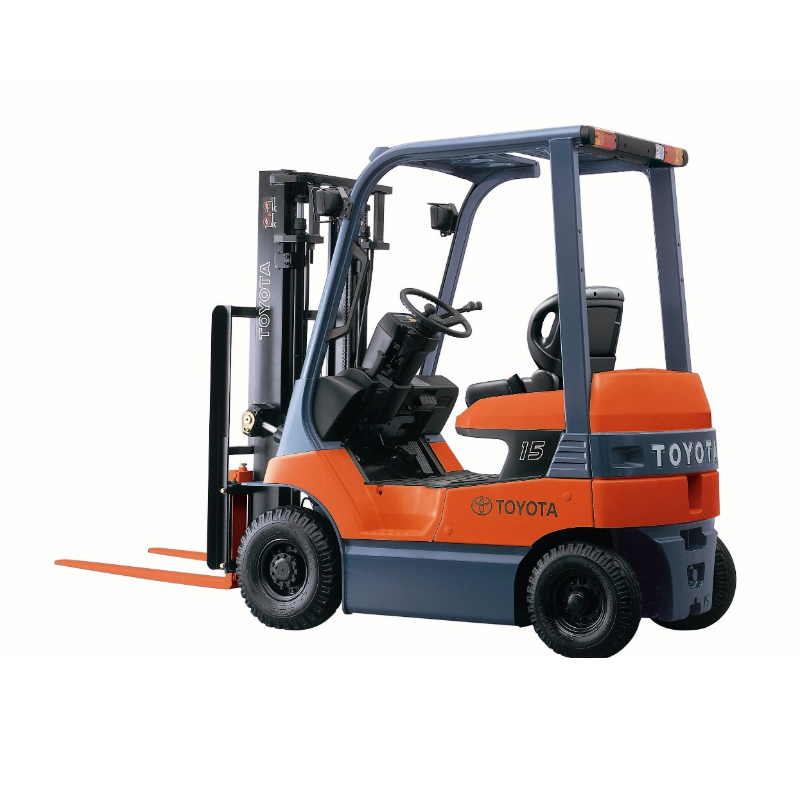
When selecting a Toyota forklift for cold storage, one of the most important decisions is choosing between electric and internal combustion (IC) models. While both have their applications, electric forklifts are generally the preferred choice in low-temperature environments.
Electric forklifts offer a major advantage: zero emissions. In enclosed cold storage facilities, especially those handling food or pharmaceuticals, maintaining air quality is critical. This makes electric models the go-to option for companies searching for Toyota forklifts for sale suitable for hygienic environments.
In addition, electric forklifts tend to perform more consistently in cold conditions when equipped with proper battery heating or insulation systems. Toyota's electric lineup is specifically engineered to minimize performance loss in low temperatures, making them ideal for cold chain logistics.
Internal combustion forklifts, on the other hand, may face challenges such as fuel inefficiency and difficulty starting in extremely low temperatures. They also produce exhaust gases, which are unsuitable for indoor use.
However, IC forklifts may still be useful in certain outdoor cold storage operations where ventilation is not a concern. Ultimately, the decision depends on the application, but most modern businesses looking to buy Toyota forklift for cold environments prioritize electric models.
6. Real-World Performance: What Users Experience
In real-world cold storage operations, the performance of a new Toyota forklift stands out due to its consistency and reliability. Unlike standard forklifts, which often struggle in freezing temperatures, Toyota’s cold-storage models are designed to deliver stable operation throughout long shifts.
One of the most noticeable advantages is smooth start-up. Even after prolonged exposure to sub-zero temperatures, these forklifts can start quickly without hesitation. This reduces downtime and ensures continuous workflow, which is critical in time-sensitive logistics environments.
Operational responsiveness is another key benefit. Lifting, lowering, and steering functions remain precise and fluid, thanks to optimized hydraulic systems. This is particularly important when handling fragile or high-value goods in cold storage.
Users also report significantly lower failure rates compared to standard forklifts. Reduced wear on components and improved protection against moisture and corrosion contribute to longer service intervals and lower maintenance costs.
For companies working with a trusted Toyota forklift dealer, these real-world advantages translate into improved productivity and operational efficiency, making Toyota forklifts a dependable choice in cold environments.
7. Temperature Range Guide: From Chill Rooms to Deep Freeze
Understanding the temperature range your Toyota forklift needs to operate in is critical when selecting the right configuration. Cold storage environments are not all the same—they range from mild refrigerated zones to extreme deep-freeze warehouses, and each requires different technical adaptations.
For chilled storage environments between 0°C and 10°C, most standard electric Toyota forklifts can perform adequately with minimal modifications. However, as temperatures drop into the frozen range of -18°C to -25°C, specialized cold storage configurations become essential. Businesses searching for Toyota forklift for sale for these conditions should prioritize models equipped with low-temperature batteries, insulated wiring, and cold-resistant hydraulic systems.
In ultra-low environments, such as -30°C or below, custom-built solutions are often required. These include enhanced sealing systems, anti-condensation technology, and advanced material protection. This is where working with an experienced Toyota forklift supplier becomes especially important, as they can recommend tailored solutions based on operational needs.
Choosing the correct configuration not only ensures performance but also prevents long-term damage and unnecessary maintenance costs. Investing in the right temperature-rated forklift is a strategic decision that directly impacts operational efficiency.
8. What Happens If You Use a Standard Forklift in Cold Storage?
Using a standard forklift in a cold storage environment may seem like a cost-saving decision, but it often leads to serious operational problems. A regular Toyota forklift that is not designed for low temperatures will quickly show performance degradation when exposed to freezing conditions.
One of the first issues is rapid battery drain. In cold environments, battery efficiency drops significantly, resulting in shorter operating times and frequent recharging. This can disrupt workflow and reduce productivity, especially in high-demand logistics operations.
Hydraulic systems also suffer. Standard hydraulic fluids become thick and sluggish in low temperatures, causing delayed lifting and steering responses. This not only slows down operations but also increases safety risks.
Additionally, rubber components may harden and crack, while electrical systems become vulnerable to condensation. Moisture buildup inside circuits can lead to unexpected failures and costly repairs.
For businesses planning to buy a Toyota forklift for cold storage, using a standard model is not recommended. Investing in a cold-storage-ready forklift ensures reliability, safety, and long-term cost savings.
9. How to Choose the Right Toyota Forklift for Cold Storage
Choosing the right Toyota forklift for cold storage requires more than just selecting a model—it involves understanding your operational needs and matching them with the correct technical specifications.
First, identify the temperature range of your facility. This determines whether you need a standard cold-storage model or a fully customized solution. Next, evaluate load capacity and the type of goods being handled, as this affects the selection of Toyota forklift forks and lifting systems.
Working with an authorized Toyota forklift dealer is highly recommended. Dealers can provide expert guidance, recommend suitable models, and ensure proper configuration for your specific environment. They also offer after-sales support, which is crucial for maintaining performance in harsh conditions.
When browsing Toyota forklift for sale listings, pay close attention to whether the forklift includes cold-storage features such as low-temperature batteries, sealed electronics, and anti-corrosion treatments.
Ultimately, the right choice is one that balances performance, durability, and long-term cost efficiency.
10. Maintenance Tips for Cold Storage Forklifts
Maintaining a new Toyota forklift in cold storage requires specific practices to ensure consistent performance and longevity. Unlike standard environments, low temperatures demand proactive maintenance strategies.
Daily inspections are essential. Operators should check for signs of condensation, ice buildup, and component stiffness before starting operations. Battery care is especially important—keeping batteries properly charged and stored in temperature-controlled areas can significantly improve performance.
Lubrication systems should also be monitored closely. Using the correct low-temperature oils and replacing them at recommended intervals helps maintain smooth operation.
Electrical systems require regular inspection to prevent moisture-related damage. Sealed connectors should be checked for integrity, and any signs of corrosion must be addressed immediately.
For businesses working with a trusted Toyota forklift supplier, following manufacturer-recommended maintenance routines ensures optimal performance and reduces downtime.
11. ROI Perspective: Is It Worth Investing in a Cold Storage Toyota Forklift?
From a financial perspective, investing in a cold-storage-configured Toyota forklift is often more cost-effective than using standard equipment. While the initial cost may be higher, the long-term benefits far outweigh the investment.
Cold-storage forklifts reduce downtime by maintaining stable performance in extreme conditions. This leads to higher productivity and fewer interruptions in operations. Maintenance costs are also lower, as specialized components are designed to withstand harsh environments.
Additionally, improved safety and reduced risk of equipment failure contribute to overall operational efficiency. Businesses looking to buy a Toyota forklift for cold storage often find that the return on investment becomes evident within a short period.
Choosing a reliable Toyota forklift dealer further enhances ROI by ensuring proper setup and ongoing support.
Contact Us