

To effectively prevent the safety accidents of Toyota forklifts mentioned in the previous article, we must start from multiple aspects such as personnel, equipment, management, and environment to build a comprehensive safety assurance system:
1. Strict Certification for Operators: All Toyota forklift operators must undergo professional training and obtain a nationally recognized special equipment operation qualification certificate. Enterprises should regularly conduct safety education and skill assessments for operators to ensure they possess proficient operating skills and a strong safety awareness.
2. Eliminate Overloading: Before operation, operators should verify the weight of the goods to ensure it does not exceed the rated load of the Toyota forklift. For goods with uncertain weight, weighing equipment should be used for confirmation. Management personnel should strengthen supervision and strictly prohibit any form of overloading.
3. Standardize Driving Speed: Within the operating area, clear speed limit signs should be set, and operators should be required to strictly adhere to them. When turning, at intersections, in narrow passages, and in areas with obstructed vision, it is essential to slow down and sound the horn as a warning. Maintain a safe distance and avoid sudden acceleration, sudden braking, and sharp turns.
4. No Passengers Allowed: Forklifts are strictly prohibited from carrying passengers, whether outside the cab or on the forks. If personnel need to be moved, a dedicated passenger vehicle should be used. For high-altitude operations, a high-altitude work platform that complies with safety standards must be used.
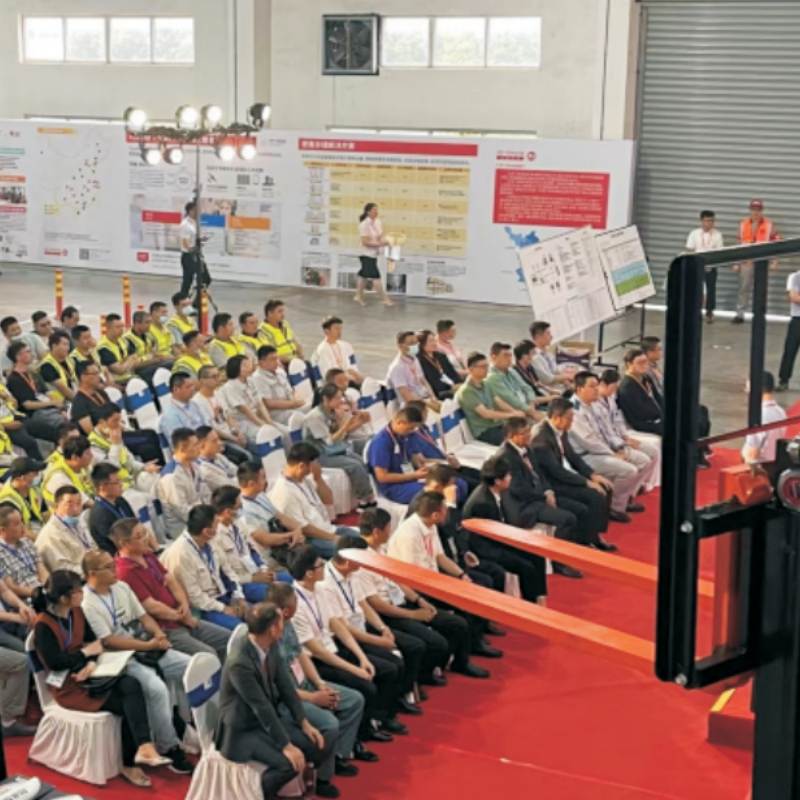
5. Smooth Operation: Operators should maintain smooth movements when starting, stopping, turning, lifting, and lowering goods, avoiding sudden steering, hard braking, or rapid lifting and lowering of forks, to prevent cargo tipping or vehicle instability.
6. Regular Maintenance: Establish and improve a sound forklift maintenance system, strictly following the manufacturer's instructions for daily inspections, primary maintenance, secondary maintenance, and regular overhauls. Ensure that critical components of the forklift, such as brakes, steering, hydraulics, lights, and horns, are in good working condition. Any detected faults or hidden dangers should be immediately taken out of service and repaired promptly.
7. Use Qualified Oils: Strictly follow the recommendations of the Toyota forklift manufacturer and select high-quality lubricating oil, hydraulic oil, brake fluid, etc., that comply with national standards and the forklift model requirements. Avoid using inferior or unqualified oils to ensure the normal operation and service life of all forklift systems.
8. Optimize the Working Environment: Keep the working area flat, clean, and free of obstacles. Ensure adequate lighting, especially at night or in dimly lit areas. Reasonably plan driving routes and stacking areas, and set up clear warning signs.
9. Strengthen Safety Training: Regularly organize Toyota forklift operators for training on production safety knowledge, accident case analysis, and emergency response drills to improve their risk identification and emergency handling capabilities.