

Chapter 1: Introduction – Why Forklift Choice Is a Strategic Decision
In today's competitive logistics and manufacturing landscape, choosing the right forklift is no longer just a purchasing decision—it is a long-term operational strategy. Whether you are considering a Toyota electric forklift or an internal combustion forklift, the choice directly affects efficiency, cost structure, employee satisfaction, and even regulatory compliance.
Many businesses make the mistake of focusing only on upfront price. While a combustion forklift may seem more affordable initially, hidden costs such as fuel, maintenance, and downtime can quickly erode that advantage. On the other hand, a Toyota electric forklift truck often requires a higher initial investment, but its long-term savings and operational stability can redefine profitability.
The real question is not “which forklift is better,” but rather:
Which forklift aligns with your workflow, environment, and growth strategy?
This guide breaks away from traditional comparisons and instead helps you think like a strategist—evaluating forklifts based on how they perform in your actual business scenarios.
Chapter 2: Understanding the Two Technologies
2.1 What Is a Toyota Electric Forklift Truck?
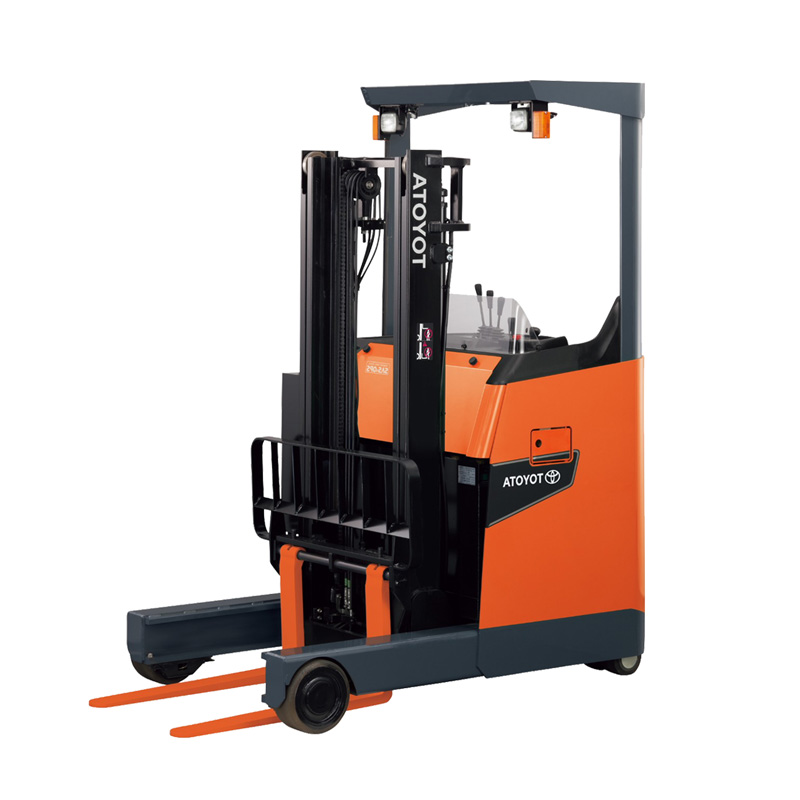
A Toyota electric forklift truck is powered by rechargeable batteries (lead-acid or lithium-ion) instead of a traditional engine. It uses electric motors to drive lifting and movement, offering precise control, smooth acceleration, and near-silent operation.
Modern Toyota electric forklift models are equipped with advanced electronic control systems, making them highly efficient in confined spaces such as warehouses, cold storage facilities, and clean production environments.
Key advantages include:
● Zero emissions (ideal for indoor use)
● Lower noise levels
● Minimal vibration for operator comfort
● High precision handling
2.2 What Is an Internal Combustion Forklift?
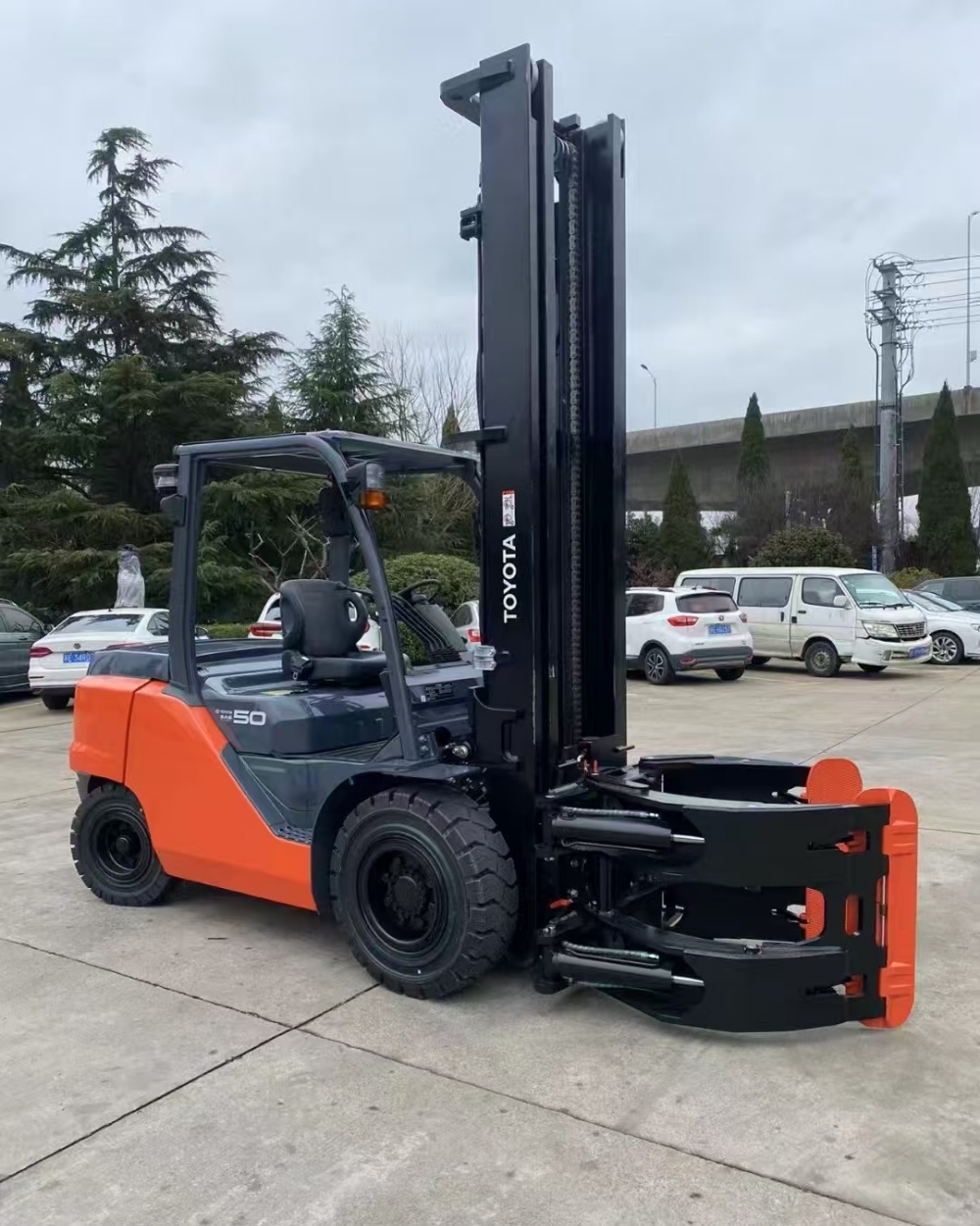
An internal combustion forklift, also known as a combustion engine forklift or combustion forklift, is powered by diesel, gasoline, or LPG engines. These forklifts are designed for heavy-duty outdoor operations where power and endurance are critical.
They excel in:
● Rough terrain environments
● Long-distance material transport
● Continuous high-load operations
Unlike electric models, they can refuel quickly and operate almost non-stop, making them suitable for demanding industrial scenarios.
Chapter 3: Performance Beyond Specs
3.1 Indoor Precision vs Outdoor Power
The difference between a Toyota forklift electric model and a combustion model is not just technical—it is environmental.
Electric forklifts dominate indoor environments due to their precision and cleanliness. Meanwhile, combustion forklifts thrive outdoors where conditions are unpredictable and demanding.
3.2 Continuous Operation vs Smart Energy Use
A Toyota electric forklift typically runs 4–8 hours per charge. With lithium batteries, fast charging or battery swapping can extend usability.
In contrast, a combustion engine forklift can operate continuously with quick refueling, making it ideal for 24/7 operations.
Chapter 4: Total Cost of Ownership (TCO)
4.1 Toyota Electric Forklift Cost Analysis
The Toyota electric forklift cost is typically higher upfront. However:
● Electricity is cheaper than fuel
● Maintenance is minimal
● Fewer wear parts
Over time, operating costs drop significantly.
4.2 Combustion Forklift Cost Structure
A combustion forklift has a lower purchase price but:
● Higher fuel costs
● Frequent maintenance (oil, filters)
● More downtime
4.3 ROI Comparison
In most cases, electric forklifts become more cost-effective after 2–3 years of operation
Chapter 5: Environmental & Workforce Impact
When evaluating a Toyota electric forklift versus an internal combustion forklift, environmental impact is no longer optional—it is a business requirement. Increasingly strict regulations on emissions, especially in North America and Europe, make electric forklifts a future-proof investment.
A Toyota electric forklift truck produces zero exhaust emissions, which is critical for industries such as food processing, pharmaceuticals, and electronics manufacturing. Clean air directly protects product quality and employee health.
From a workforce perspective, electric forklifts offer a quieter and smoother operating experience. Reduced noise levels help minimize operator fatigue, while lower vibration improves comfort during long shifts. These factors contribute to higher productivity and fewer workplace complaints.
In contrast, a combustion engine forklift generates noise, heat, and exhaust gases, which can negatively affect both workers and working conditions—especially in semi-enclosed environments.
Chapter 6: Durability & Maintenance Strategy
Durability is often misunderstood when comparing a Toyota forklift electric model with a combustion forklift. While combustion forklifts are traditionally known for ruggedness, electric forklifts have significantly improved in reliability due to advancements in motor and battery technology.
A Toyota electric forklift has fewer moving parts—no engine, transmission oil system, or exhaust components. This results in lower failure rates and reduced maintenance requirements. Routine servicing is typically limited to battery care, tires, and basic inspections.
On the other hand, a combustion engine forklift requires regular maintenance, including oil changes, air filters, fuel system checks, and engine servicing. While these machines are robust, neglecting maintenance can quickly lead to performance issues and higher repair costs.
Over time, businesses often find that electric forklifts offer more predictable maintenance schedules and lower total downtime.
Chapter 7: Industry-Specific Recommendations
Choosing between a Toyota electric forklift and an internal combustion forklift becomes much clearer when analyzed by industry.
For industries like food processing, pharmaceuticals, cold storage, and electronics manufacturing, a Toyota electric forklift truck is the only practical option. Clean operation, low noise, and zero emissions are essential in these environments.
In contrast, industries such as construction, ports, lumber yards, and heavy logistics operations benefit more from a combustion forklift. These environments demand high power, long operating hours, and the ability to handle rough terrain.
For companies operating in both indoor and outdoor environments, a mixed fleet strategy is often the most efficient. Combining electric forklifts for indoor precision work and combustion forklifts for outdoor heavy-duty tasks maximizes flexibility and cost efficiency.
Chapter 8: Smart Buying Strategy
A smart purchasing decision goes beyond comparing a Toyota electric forklift cost with a combustion model price. The key is aligning your forklift choice with operational patterns.
Instead of asking whether you work indoors or outdoors, consider:
● Daily operating hours
● Load intensity and peak demand
● Charging or refueling infrastructure
● Long-term expansion plans
For example, if your operations are predictable and shift-based, a Toyota electric forklift offers better efficiency. However, if your workflow is unpredictable and continuous, a combustion engine forklift may be more suitable.
Working with an experienced Toyota forklift dealer is critical. A professional dealer can help you customize specifications, calculate ROI, and provide long-term service support.
Chapter 9: Future Trends
The future of the Toyota forklift industry is clearly shifting toward electrification, but not in a simplistic way. Instead, we are seeing a more intelligent integration of technologies.
The adoption of lithium-ion batteries is transforming the performance of the Toyota electric forklift truck, enabling faster charging, longer lifespan, and even opportunity charging during breaks.
At the same time, automation and smart fleet management systems are becoming standard. Electric forklifts are more compatible with these technologies, making them a key component in smart warehouses.
However, internal combustion forklifts are not disappearing. They continue to evolve with improved fuel efficiency and emission controls, ensuring their relevance in heavy-duty applications.
Chapter 10: Conclusion
There is no absolute winner between a Toyota electric forklift and an internal combustion forklift. The best choice depends entirely on your operational reality.
If your business prioritizes sustainability, indoor efficiency, and long-term cost savings, a Toyota electric forklift truck is the ideal solution. Its higher upfront investment is offset by lower operating costs and improved workplace conditions.
If your operations demand continuous power, outdoor flexibility, and high load capacity, a combustion forklift remains the more practical choice.
Ultimately, the smartest businesses are not choosing one over the other—they are building flexible fleets that combine both technologies to optimize performance, cost, and scalability.
Contact Us