

Introduction
When most people think of forklifts, they picture simple machines that lift and move pallets. But Toyota forklifts go far beyond that stereotype. Today's warehouses are complex ecosystems where speed, safety, and efficiency define success. Toyota forklifts are not just lifting tools—they are strategic assets that help businesses optimize operations, reduce downtime, and enhance worker safety. From advanced ergonomics to intelligent control systems, every Toyota forklift is designed to integrate seamlessly with modern warehouse workflows. Whether you're considering a single machine or a fleet, understanding how a Toyota forklift can transform your operational efficiency is crucial. This article will explore Toyota forklift types, costs, dealer selection, and innovative ways these machines contribute to productivity, sustainability, and long-term value. By the end, you'll see that investing in a Toyota forklift is not just buying equipment—it's investing in smarter logistics.
1. The Toyota Forklift Advantage
Toyota forklifts stand out not just because they lift heavy loads reliably, but because they combine innovation, efficiency, and operator comfort in ways few competitors match. One major advantage is their total cost of ownership—Toyota forklifts are engineered to minimize maintenance and downtime, making them a smart long-term investment for warehouses of any size. Ergonomic designs reduce operator fatigue and risk of injury, allowing workers to perform longer shifts safely and efficiently. Additionally, Toyota integrates advanced technologies, from electric drive systems to intelligent stability controls, which enhance precision in handling and improve warehouse workflow. These advantages are applicable across Toyota forklift types, whether electric, internal combustion, or specialized models for tight spaces. For businesses seeking more than just a lifting machine, Toyota forklifts deliver strategic value, reliability, and consistent performance that help warehouses operate smarter.
2. Exploring Toyota Forklift Types
Understanding the right Toyota forklift types for your warehouse can transform daily operations. Toyota offers a diverse lineup, including electric, internal combustion (IC), cushion tire, and pneumatic tire forklifts, each designed for specific environments. Electric forklifts are ideal for indoor use, offering zero emissions, quiet operation, and lower energy costs—perfect for food storage or electronics warehouses. IC forklifts, powered by LPG or diesel, excel in outdoor or heavy-duty tasks, handling rough terrain and larger loads efficiently. Cushion tire forklifts are compact and maneuverable, making them perfect for narrow aisles, while pneumatic tire models provide stability on uneven surfaces. Beyond these traditional categories, Toyota continually innovates with specialty models that combine versatility and ergonomics for challenging warehouse layouts. Choosing the right type isn't just about lifting capacity—it's about workflow optimization, operator comfort, and long-term efficiency. By aligning forklift type with operational needs, businesses can achieve smoother operations, reduced downtime, and safer handling.
3. Investing Wisely: New Toyota Forklift Cost Explained
When considering a new Toyota forklift cost, it's easy to focus only on the sticker price—but true investment value goes beyond the initial purchase. Several factors influence cost, including forklift type, lifting capacity, energy source, and optional technology features. Electric forklifts may have a higher upfront price but save on fuel and maintenance over time, while internal combustion models might be cheaper initially but require more ongoing upkeep. Additional considerations such as extended warranties, dealer service packages, and availability of spare parts can significantly impact the total cost of ownership. Toyota forklifts are designed for durability and longevity, so businesses often recoup costs through lower downtime, higher productivity, and reduced repair expenses. Understanding these variables ensures that investing in a Toyota forklift isn't just a purchase—it's a strategic decision to enhance operational efficiency and long-term savings.
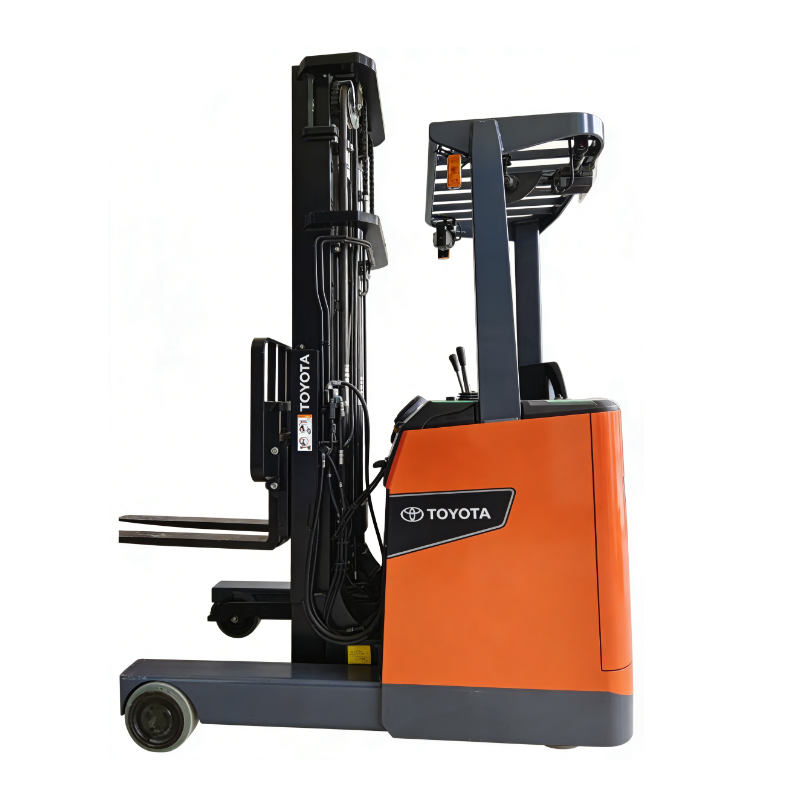
4. How Toyota Forklifts Boost Warehouse Productivity
Toyota forklifts do more than move goods—they actively enhance warehouse productivity. Intelligent features such as automated speed control, stability assist, and ergonomic operator cabins reduce human error and fatigue, allowing workers to operate efficiently throughout long shifts. Integration with warehouse management systems enables real-time tracking of inventory and optimized routing, minimizing wasted movements and reducing order fulfillment time. The versatility of Toyota forklift types allows businesses to deploy the right machine for each task—narrow-aisle models for dense storage, heavy-duty IC forklifts for outdoor loading, and electric units for quiet, emission-free zones. This adaptability improves workflow, reduces downtime, and maximizes throughput. In essence, Toyota forklifts function as productivity partners, not just equipment, empowering warehouses to achieve operational excellence while maintaining safety and energy efficiency.
5. Toyota Forklift Dealer Insights: Choosing the Right Partner
Selecting the right Toyota forklift dealer can be as critical as choosing the forklift itself. A dependable dealer ensures timely delivery, access to genuine parts, and ongoing maintenance support, all of which directly impact your warehouse efficiency and cost savings. Beyond basic sales, top dealers offer consultation on which forklift types fit your operations, training for operators, and preventive maintenance plans to reduce downtime. Many dealers also provide fleet management solutions, helping businesses track usage, schedule service, and extend equipment lifespan. When evaluating dealers, consider their reputation, service network, responsiveness, and ability to provide customized solutions for unique warehouse layouts. Partnering with the right Toyota forklift dealer transforms your purchase into a strategic investment, ensuring that your forklifts deliver maximum performance, safety, and long-term value.
6. Safety & Sustainability: Toyota's Modern Approach
Toyota forklifts prioritize both operator safety and environmental responsibility. Advanced safety features such as load-sensing hydraulics, stability assist, and ergonomic controls reduce the risk of accidents, while smart alarms and visibility enhancements help prevent collisions in busy warehouses. On the sustainability side, Toyota’s electric forklifts produce zero emissions and lower energy consumption, contributing to greener operations. Even internal combustion models incorporate fuel-efficient engines and emission reduction technologies. By combining safety and eco-friendly design, Toyota forklifts not only protect workers but also help companies meet regulatory requirements and sustainability goals. For modern warehouses, this dual focus ensures operational efficiency without compromising on safety or environmental impact, demonstrating that forklifts can be both powerful and responsible tools in the logistics ecosystem.
7. Real-World Case Studies
Toyota forklifts are often more than just machines—they are productivity enablers in real warehouses. For example, a large e-commerce fulfillment center integrated electric Toyota forklifts with its warehouse management system, reducing average order picking time by 25%. Another case involved a food distribution company using narrow-aisle Toyota forklifts to maximize storage density, allowing them to store 15% more pallets without expanding their warehouse footprint. In a third scenario, a manufacturing plant replaced older IC forklifts with modern Toyota models, significantly cutting maintenance costs and fuel consumption. These examples highlight how selecting the right Toyota forklift types and working with a knowledgeable Toyota forklift dealer can directly impact operational efficiency, safety, and profitability. Beyond simple lifting, Toyota forklifts enable creative solutions that address unique warehouse challenges, demonstrating their value as strategic tools rather than just equipment.
Conclusion
Toyota forklifts are more than just material-handling machines—they are strategic investments that enhance efficiency, safety, and sustainability in modern warehouses. By understanding the range of Toyota forklift types, evaluating the cost of new Toyota forklifts, and partnering with a trusted Toyota forklift dealer, businesses can unlock their full operational potential. Advanced safety features, ergonomic design, and intelligent systems make these forklifts reliable allies for operators, while energy-efficient models support eco-friendly practices. Real-world case studies demonstrate how thoughtful deployment of Toyota forklifts reduces downtime, increases productivity, and enables creative solutions for complex warehouse challenges. Ultimately, investing in Toyota forklifts is not merely a purchase—it's a commitment to smarter logistics, safer operations, and long-term value.
Contact Us