

Introduction: Why Toyota Warehouse Forklifts Dominate Modern Warehouses
Reason 1: Legendary Toyota Reliability and Build Quality
Reason 2: Wide Range of Toyota Forklift Types for Every Warehouse Need
Modern warehouses face increasing pressure to move faster, store higher, and operate more efficiently while maintaining strict safety standards. In this environment, forklifts are no longer just lifting tools—they are critical productivity assets.
A Toyota Warehouse Forklift is engineered to meet these modern challenges. Backed by decades of manufacturing excellence, Toyota Forklift has become synonymous with reliability, safety, and long-term value. From high-density storage facilities to fast-paced distribution centers, Toyota forklifts consistently deliver stable performance under demanding conditions.
This article explores 10 in-depth reasons why businesses worldwide continue to choose Toyota Forklift solutions and how different toyota forklift types support diverse warehouse operations.
Toyota's reputation is built on its world-famous manufacturing philosophy—precision engineering, strict quality control, and continuous improvement. Every Toyota Forklift is designed to operate for thousands of hours with minimal downtime.
High-strength steel frames, reinforced masts, and premium hydraulic systems allow Toyota warehouse forklifts to withstand heavy loads and repetitive cycles. This reliability directly translates into fewer breakdowns, reduced maintenance interruptions, and consistent warehouse throughput.
One of Toyota's greatest strengths is its comprehensive lineup of toyota forklift types, ensuring the right machine for every task:
● Electric counterbalance forklifts for indoor warehouses
● Reach trucks for narrow aisles and high racking
● Pallet jacks for short-distance transport
● Order pickers for fast picking operations
This flexibility allows businesses to optimize space utilization, reduce unnecessary equipment overlap, and improve overall workflow efficiency.
Reason 3: Industry-Leading Safety Technology
Safety is a core design priority for every Toyota Warehouse Forklift. Toyota’s patented System of Active Stability (SAS) actively monitors load weight, mast angle, and turning conditions to prevent tip-overs.
Additional features such as automatic speed reduction, operator presence sensing, and enhanced visibility significantly reduce accident risks—protecting both operators and inventory.
Reason 4: High Efficiency for Warehouse Operations
Toyota forklifts are engineered for smooth acceleration, precise control, and fast response times. This enables operators to complete tasks faster with greater accuracy.
In high-volume warehouses, even small efficiency gains per cycle can lead to significant productivity improvements over time. Toyota Warehouse Forklifts help eliminate bottlenecks and keep goods flowing smoothly.
Reason 5: Energy Efficiency and Eco-Friendly Performance
Electric Toyota Forklift models are designed for maximum energy efficiency. Advanced motor control systems and regenerative braking extend battery life and reduce power consumption.
Lower emissions and quieter operation make Toyota warehouse forklifts ideal for indoor use, helping companies meet environmental regulations while lowering operating costs.
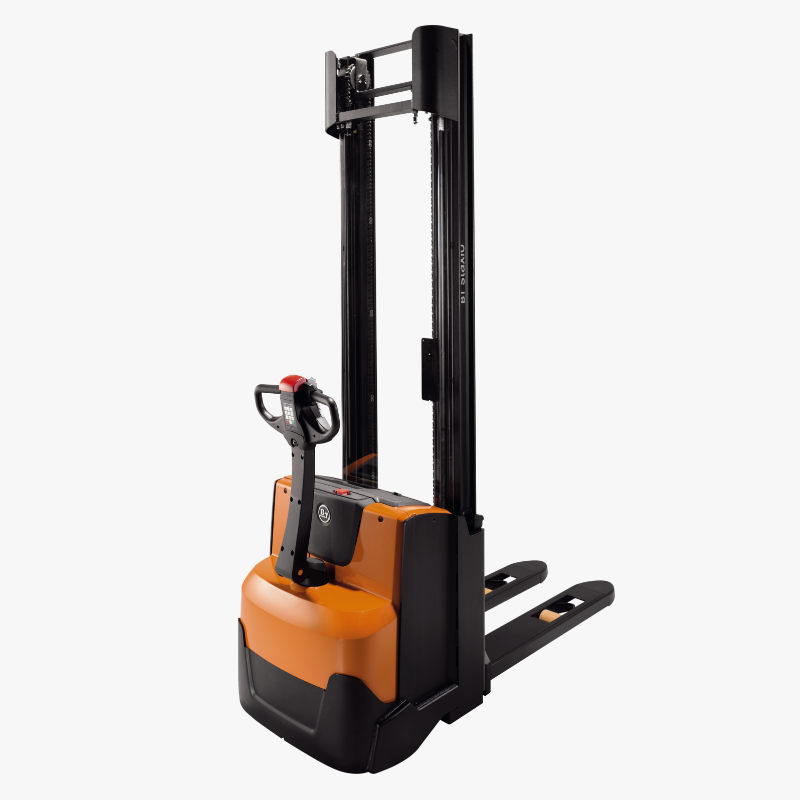
Reason 6: Ergonomic Design for Operator Comfort
Operator comfort directly impacts productivity. Toyota forklifts feature adjustable seats, intuitive controls, low vibration levels, and clear visibility.
By reducing physical strain and fatigue, Toyota Warehouse Forklifts allow operators to work longer shifts with consistent performance and fewer errors.
Reason 7: Low Total Cost of Ownership
Although the initial investment may be higher, Toyota forklifts offer exceptional long-term value. Reduced maintenance needs, durable components, and strong resale value significantly lower total ownership costs.
For warehouses focused on long-term planning, Toyota Forklift represents a financially sound investment.
Reason 8: Smart Technology and Warehouse Integration
Toyota integrates smart technologies such as fleet management systems and telematics. These tools provide real-time data on usage, maintenance needs, and operator behavior.
This transparency enables warehouse managers to make data-driven decisions and improve operational efficiency.
Reason 9: Global Support Network and After-Sales Service
Toyota Forklift benefits from a vast global dealer and service network. Fast access to spare parts and professional technical support minimizes downtime.
Reliable after-sales service ensures that Toyota Warehouse Forklifts remain operational throughout their lifecycle.
Reason 10: Proven Brand Trusted by Global Warehouses
Toyota is consistently ranked among the world's top forklift brands. Its solutions are trusted by logistics giants, manufacturers, and retailers worldwide.
This proven track record makes Toyota Warehouse Forklift a low-risk, high-confidence choice.
Conclusion: Why Toyota Warehouse Forklift Is a Smart Long-Term Investment
From reliability and safety to efficiency and long-term cost savings, Toyota Warehouse Forklifts deliver value at every level. Choosing the right toyota forklift types ensures your warehouse operates smoothly today—and remains competitive tomorrow.
FAQ
Q1: What types of Toyota warehouse forklifts are available?
Toyota offers electric forklifts, reach trucks, pallet trucks, and order pickers for different warehouse needs.
Q2: Are Toyota forklifts suitable for small warehouses?
Yes. Compact models and electric options are ideal for limited spaces.
Q3: How long does a Toyota Forklift typically last?
With proper maintenance, Toyota forklifts can operate reliably for many years.