

Toyota forklifts are renowned globally for their robust engineering, reliability, and advanced operational features. Central to their efficient and safe operation is the precise control of speed. Understanding how to effectively manage speed on a Toyota forklift is crucial for maximizing productivity, ensuring operator safety, and prolonging the lifespan of the equipment. This article delves into the various mechanisms and considerations involved in adjusting and maintaining optimal speed on Toyota forklifts, catering to both electric and internal combustion models.
The Fundamentals of Speed Control
At its most basic, forklift speed is governed by the operator's input via the accelerator pedal. However, modern Toyota forklifts incorporate sophisticated electronic control units (ECUs) that translate pedal input into precise motor or engine output, ensuring smooth acceleration and deceleration. This is particularly evident in electric models, where advanced AC motor technology allows for highly responsive and energy-efficient speed modulation.
Accelerator Pedal and Drive System Interaction
For both electric and internal combustion (IC) Toyota forklifts, the primary method of speed regulation is the accelerator pedal. Depressing the pedal increases the flow of power to the drive wheels, while releasing it reduces power, initiating deceleration. In electric forklifts, this directly controls the frequency and voltage supplied to the AC drive motor. In IC forklifts, it regulates the fuel-air mixture and engine RPM. The responsiveness of this interaction is a hallmark of Toyota's design, providing operators with intuitive control.
Advanced Speed Management Features
Beyond the basic accelerator pedal, Toyota forklifts offer several advanced features that allow for more nuanced and application-specific speed management. These features are often programmable and can be tailored to different operational environments and operator skill levels.
Programmable Performance Modes
Many contemporary Toyota forklift models, especially electric ones, come equipped with selectable performance modes. These modes allow supervisors or operators to pre-set maximum travel speeds and acceleration rates to suit specific tasks or safety requirements. Common modes include:
• Economy Mode (ECO): Limits maximum travel speed and acceleration to conserve battery life or fuel, ideal for light-duty tasks or extended shifts.
• Standard Mode (STD): Offers a balanced performance profile suitable for general warehousing and material handling.
• Power Mode (PWR): Provides maximum travel speed and acceleration for high-throughput operations, often used when rapid movement is critical.
These modes are typically selected via a switch or button on the operator's control panel. Adjusting these settings requires access to the forklift's programming interface, usually performed by authorized personnel or service technicians.
Speed Limiting and Zone Control
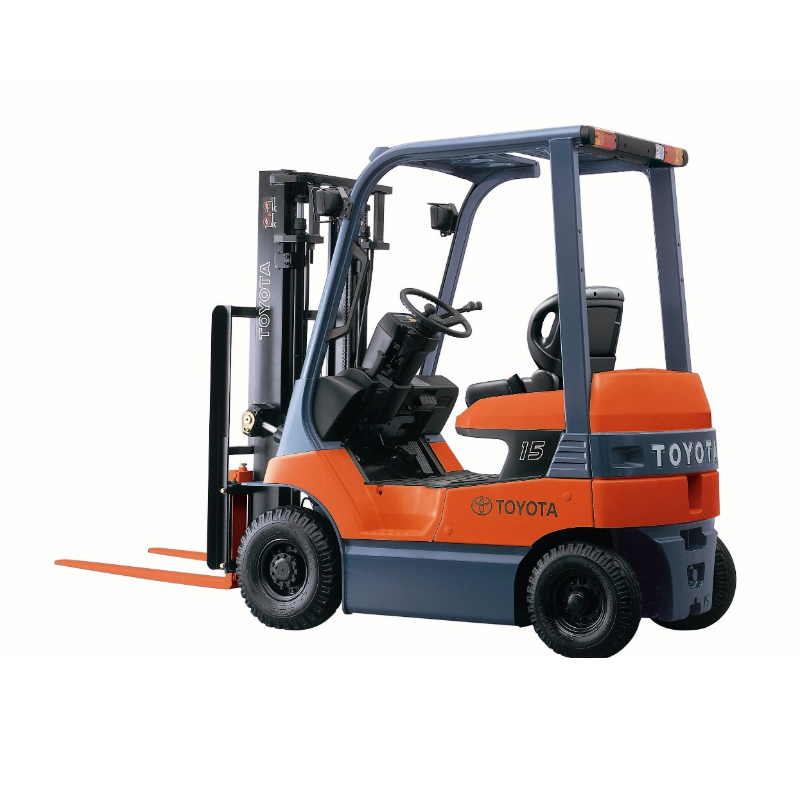
For enhanced safety and operational efficiency, Toyota forklifts can be configured with speed limiting features. This can involve setting a universal maximum speed for the entire fleet or implementing zone-specific speed restrictions. For instance, a forklift might automatically reduce its speed when entering a pedestrian zone or a narrow aisle. This is often achieved through telematics systems, RFID technology, or geofencing, which communicate with the forklift's ECU to enforce speed parameters based on its location.
Load-Sensing Speed Adjustment
Some advanced Toyota models incorporate load-sensing technology that can dynamically adjust travel speed based on the weight and stability of the load being carried. This intelligent feature helps prevent instability and potential tip-overs by automatically reducing speed when handling heavy or unstable loads, thereby enhancing safety without requiring constant manual adjustment from the operator.
Hydraulic System and Operational Speed
While primarily controlling lifting and tilting functions, the hydraulic system indirectly influences overall operational speed. The speed at which loads are lifted, lowered, or tilted can impact the overall cycle time of a task. Toyota's precision hydraulic controls, such as the "progressive hydraulic buffering" technology, ensure smooth and controlled movements, which contribute to efficient operation without sudden jerks that could compromise stability.
Safety Considerations and Best Practices
Effective speed control is paramount for forklift safety. Operators must always adhere to site-specific speed limits and adjust their speed according to:
• Load Characteristics: Heavier, bulkier, or unstable loads require slower speeds.
• Environmental Conditions: Wet floors, uneven surfaces, or congested areas necessitate reduced speeds.
• Visibility: Limited visibility, especially around blind corners or when traveling with a raised load, demands caution and lower speeds.
• Pedestrian Traffic: Always reduce speed and be extra vigilant in areas with pedestrian activity.
Toyota's Safety System of Active Stability (SAS) and Active Integrated Control System (AICS) are designed to assist operators in maintaining safe speeds and stability, but they are aids, not substitutes for responsible operation. Regular training and adherence to operational guidelines are essential for safe speed management.
Maintenance and Calibration
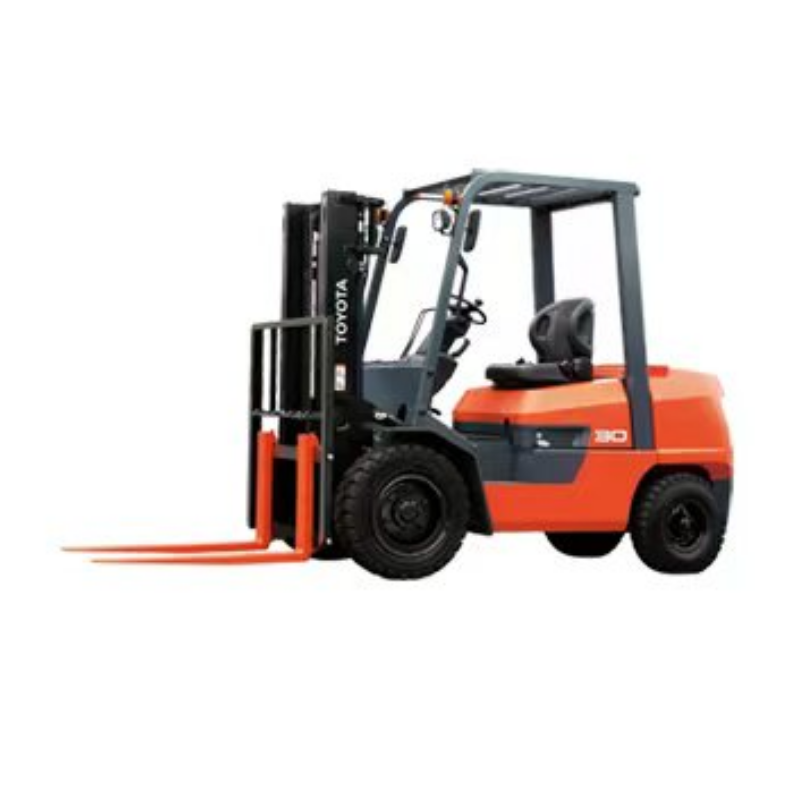
To ensure consistent and accurate speed control, regular maintenance and calibration of the forklift's control systems are vital. This includes checking the accelerator pedal's responsiveness, verifying the functionality of speed sensors, and ensuring that programmable settings are correctly configured. Any discrepancies should be addressed by certified Toyota technicians to maintain optimal performance and safety standards.
Mastering speed control on a Toyota forklift is a multifaceted skill that combines intuitive operation with an understanding of advanced technological features. By leveraging programmable modes, adhering to safety protocols, and ensuring proper maintenance, operators can optimize their forklift's performance for various tasks while upholding the highest standards of safety and efficiency. Toyota's commitment to integrating sophisticated control systems underscores its dedication to providing equipment that is not only powerful but also precisely controllable, making it a leader in the material handling industry.