

1. The Hidden Bottleneck in Modern Warehouses
In modern logistics and manufacturing, warehouses are growing taller but not necessarily more efficient. Many facilities invest heavily in automation, yet a major inefficiency still exists—the inability to fully utilize vertical storage space. Traditional material handling equipment often struggles to safely and efficiently access high racks.
This is where the High Lift Electric Forklift begins to change the equation. Designed specifically for vertical lifting and precision handling, this type of electric forklift allows warehouses to unlock the full potential of their storage systems.
By combining electric power, intelligent controls, and high-reach lifting systems, modern forklifts are no longer just transportation tools—they are strategic productivity assets.
2. What Is a High Lift Electric Forklift?
2.1 Core Structure and Working Principle
A High Lift Electric Forklift is a specialized material handling vehicle designed to lift goods to significantly higher heights than standard forklifts. Unlike traditional internal combustion forklifts, this type of electric forklift relies on electric motors and advanced lifting systems to achieve smooth and controlled vertical movement.
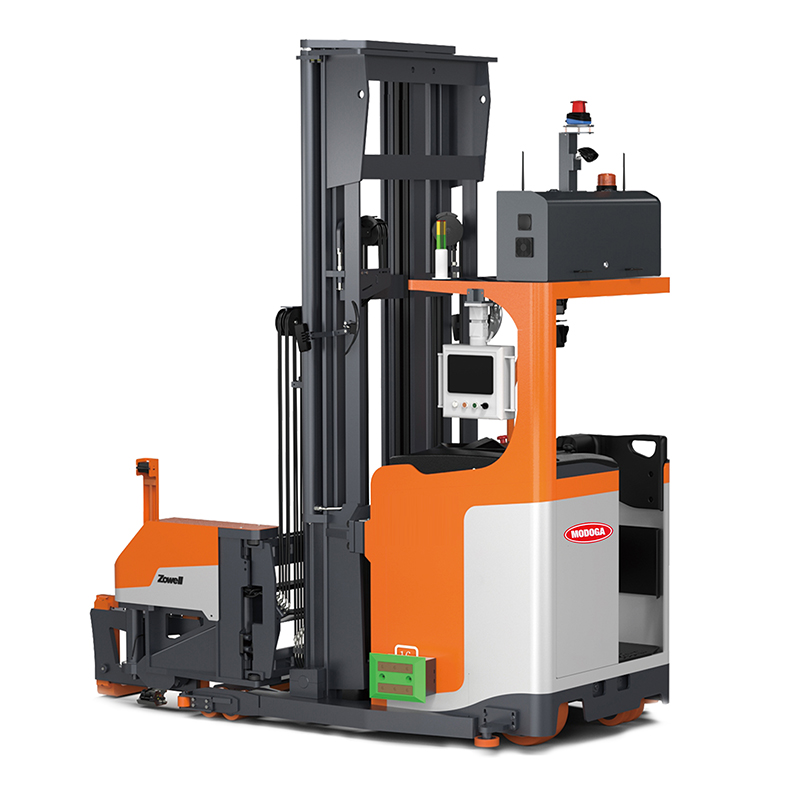
The core components typically include a high-strength mast, electric drive system, hydraulic lifting mechanism, precision control system, and a rechargeable battery pack. When the operator activates the lift function, the electric motor powers the hydraulic pump, which then moves the mast upward through controlled pressure.
This design allows the forklift to reach tall warehouse racks while maintaining stability and safety. In modern warehouses where storage density is increasing, this ability to move goods vertically is critical.
Another key advantage of a High Lift Electric Forklift is its precision. Electric drive systems allow extremely accurate positioning when placing pallets at high levels. This reduces product damage and improves warehouse efficiency.
3. Why High Lift Electric Forklifts Are Replacing Traditional Equipment
3.1 Space Efficiency and Vertical Warehousing
One of the biggest challenges in warehouse management is space utilization. As land prices increase and logistics demand grows, warehouses must store more goods within the same footprint.
A High Lift Electric Forklift enables warehouses to fully utilize vertical space. Instead of expanding floor area, companies can install taller racking systems and rely on high-lift forklifts to access them efficiently.
This approach dramatically increases storage capacity without requiring expensive building expansions.
3.2 Energy Efficiency and Environmental Benefits
Environmental sustainability is becoming a critical priority in logistics. Compared with diesel or gasoline forklifts, an electric forklift produces zero direct emissions and operates much more quietly.
Electric motors are also significantly more energy-efficient. This means companies can reduce both fuel costs and carbon emissions by switching to electric equipment.
For indoor operations, the advantages are even greater. Workers benefit from cleaner air and lower noise levels, improving overall working conditions.
3.3 Precision Handling and Safety Improvements
Modern High Lift Electric Forklift systems include advanced sensors, electronic steering, and stability controls. These technologies help operators maintain control even when lifting heavy loads at high elevations.
Precision movement also reduces the risk of pallet damage, rack collisions, and workplace accidents.
4. Inside the Technology of a High Lift Electric Forklift
4.1 Intelligent Control Systems
The brain of a modern electric forklift is its intelligent control system. Advanced software continuously monitors load weight, mast position, battery status, and vehicle stability.
These systems allow operators to perform complex lifting tasks with minimal effort.
4.2 High-Strength Mast Engineering
The mast is the structural backbone of a High Lift Electric Forklift. It must support heavy loads while maintaining stability at high elevations.
Manufacturers use high-strength steel and precision engineering to ensure durability and smooth lifting performance.
4.3 Battery Technology and Endurance
Modern electric forklifts typically use lithium-ion or advanced lead-acid batteries. Lithium batteries offer faster charging, longer lifespan, and higher energy efficiency.
For high-demand logistics operations, battery performance directly affects productivity.
5. Real Applications of High-Lift Electric Forklifts
5.1 E-commerce Warehouses
E-commerce warehouses rely on high storage density and fast order fulfillment. A High Lift Electric Forklift allows operators to quickly access products stored on tall racks.
This dramatically improves picking efficiency.
5.2 Manufacturing Warehouses
Manufacturing facilities store large quantities of raw materials and components. Electric forklifts provide reliable and precise handling for these heavy loads.
5.3 Cold Storage Logistics
Cold storage facilities require equipment that can operate reliably in low-temperature environments. Many modern electric forklifts are designed specifically for cold storage operations.
6. Choosing the Right High Lift Electric Forklift
Selecting the right High Lift Electric Forklift requires evaluating several factors.
First, companies must consider load capacity and lift height. Different warehouses require different specifications.
Second, aisle width and warehouse layout must be considered. Narrow aisle warehouses may require specialized forklift designs.
Third, battery type and charging infrastructure should match operational needs.
7. The Future of Electric Forklifts in Smart Logistics
The future of logistics is moving toward automation and intelligent systems. Electric forklift technology is evolving rapidly to meet these demands.
Many manufacturers are integrating autonomous driving systems to create AGV forklifts capable of operating without human drivers.
Artificial intelligence and IoT connectivity will allow forklifts to communicate with warehouse management systems, optimizing workflows in real time.