
1. Why Toyota Counterbalance Forklift Is Trusted Worldwide
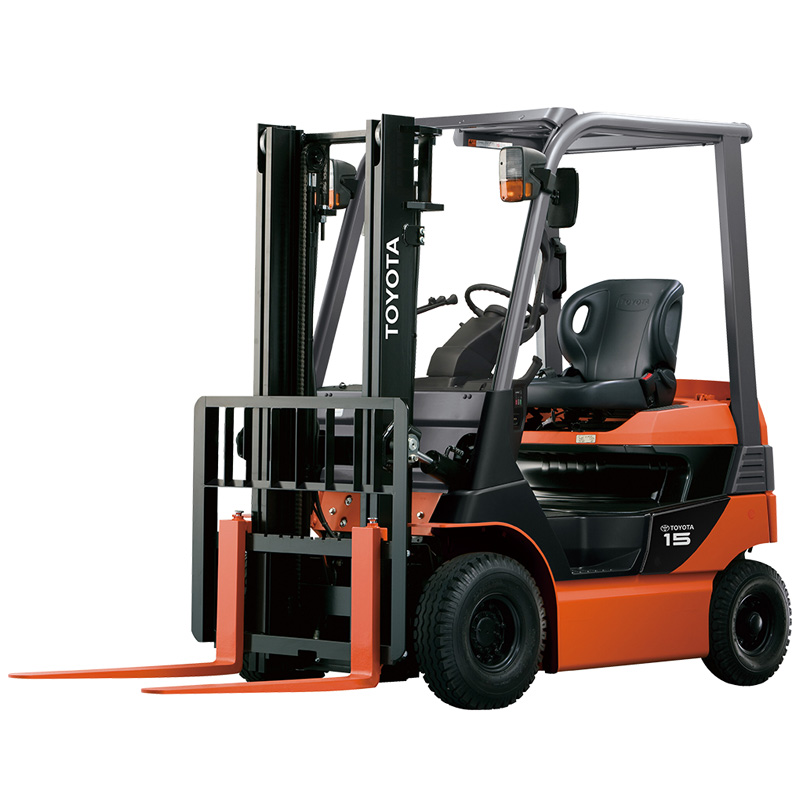
Toyota counterbalance forklifts are not simply lifting machines—they are long-term productivity assets. For decades, Toyota has focused on engineering stability, safety systems, and lifecycle efficiency. This is why Toyota consistently ranks among the top forklift manufacturers worldwide, especially in industries where uptime, safety compliance, and predictable operating costs matter most.
For procurement managers, choosing Toyota means reducing risk: fewer breakdowns, standardized maintenance, and strong global parts availability.
2. What Is a Counterbalance Forklift and Why It Matters
A counterbalance forklift uses a rear-mounted counterweight to offset the load carried by the front forks. This design allows direct front loading without outriggers, making it the most versatile forklift type for general material handling.
In real-world operations, counterbalance forklifts are preferred because they:
● Operate efficiently in narrow aisles
● Handle palletized goods with minimal setup
● Adapt easily to docks, racks, and production lines
3. Toyota Counterbalance Forklift Product Portfolio Explained
Toyota offers a complete counterbalance forklift lineup covering:
● Load capacities from light-duty to heavy industrial use
● Electric and internal combustion powertrains
● Indoor, outdoor, and mixed-environment applications
This modular product strategy allows buyers to match forklift specifications precisely to operational needs instead of overpaying for unnecessary capacity.
4. Toyota Electric Counterbalance Forklift: Designed for Modern Operations
The Toyota electric counterbalance forklift is increasingly favored by warehouses and factories aiming to reduce emissions and energy costs. These forklifts deliver consistent torque, smoother acceleration, and lower noise levels—critical factors for indoor productivity and operator comfort.
From a procurement perspective, electric models also offer:
● Lower routine maintenance requirements
● Predictable energy costs
● Easier compliance with environmental regulations
5. Safety and Stability: Toyota's Core Engineering Advantage
One of the strongest differentiators of Toyota counterbalance forklifts is the Toyota SAS (System of Active Stability). This system continuously monitors forklift behavior and automatically intervenes to reduce rollover risk and load instability.
For buyers operating under strict safety standards, this translates directly into fewer accidents, lower insurance costs, and improved workforce confidence.
6. Electric Counterbalance Forklift vs Internal Combustion Models
Electric counterbalance forklifts excel in clean, controlled environments, while internal combustion models remain suitable for heavy outdoor loads. Buyers should evaluate:
● Daily operating hours
● Indoor vs outdoor ratio
● Fuel and maintenance infrastructure
Choosing the wrong power type often leads to higher long-term costs than expected.
7. Counterbalance Forklift Price: How Buyers Should Evaluate Cost
When evaluating counterbalance forklift price, buyers should look beyond the initial purchase cost. Factors such as energy consumption, maintenance frequency, downtime, and resale value define the true total cost of ownership.
Toyota forklifts often deliver a lower lifetime cost despite a higher upfront investment.
8. Toyota Counterbalance Forklift for Sale: Procurement Best Practices
When sourcing a Toyota counterbalance forklift for sale, buyers should prioritize:
● Authorized dealer networks
● Availability of spare parts
● Service response capability
These factors directly impact operational continuity after purchase.
9. Typical Applications Across Industries
Toyota counterbalance forklifts are widely used in warehousing, manufacturing, logistics hubs, and retail distribution centers. Their adaptability makes them suitable for both repetitive handling and mixed-load environments.
10. FAQs for Buyers
Q1: Is a Toyota electric counterbalance forklift worth the investment?
Yes, especially for indoor operations with high utilization rates.
Q2: How long is the typical service life?
With proper maintenance, over 10 years is common.
Q3: Are used Toyota forklifts a safe option?
Certified used units can offer strong value if sourced correctly.