
In today's cost-conscious and efficiency-driven business environment, companies are constantly seeking smarter ways to expand their material handling capabilities without breaking the bank. One increasingly popular solution is investing in a used Toyota forklift—a practical choice that offers reliable performance at a fraction of the price of a new unit.
Toyota forklifts have long been known for their exceptional build quality, long service life, and low maintenance needs. This reputation makes them a top choice not only when new but also in the second-hand equipment market. Businesses in warehousing, logistics, manufacturing, agriculture, and construction sectors often turn to used Toyota forklifts to meet operational demands while keeping capital expenditures low.
Whether you're a startup purchasing your first forklift or a growing enterprise expanding your fleet, buying used lets you stretch your budget without sacrificing performance. Many Toyota forklifts retain their value and effectiveness well into their second life—especially when purchased from certified dealers who inspect, refurbish, and support the equipment.
In short, a used Toyota forklift provides a dependable, affordable, and flexible solution for businesses aiming to enhance productivity without the upfront cost of a brand-new machine.
What Is a Used Toyota Forklift?
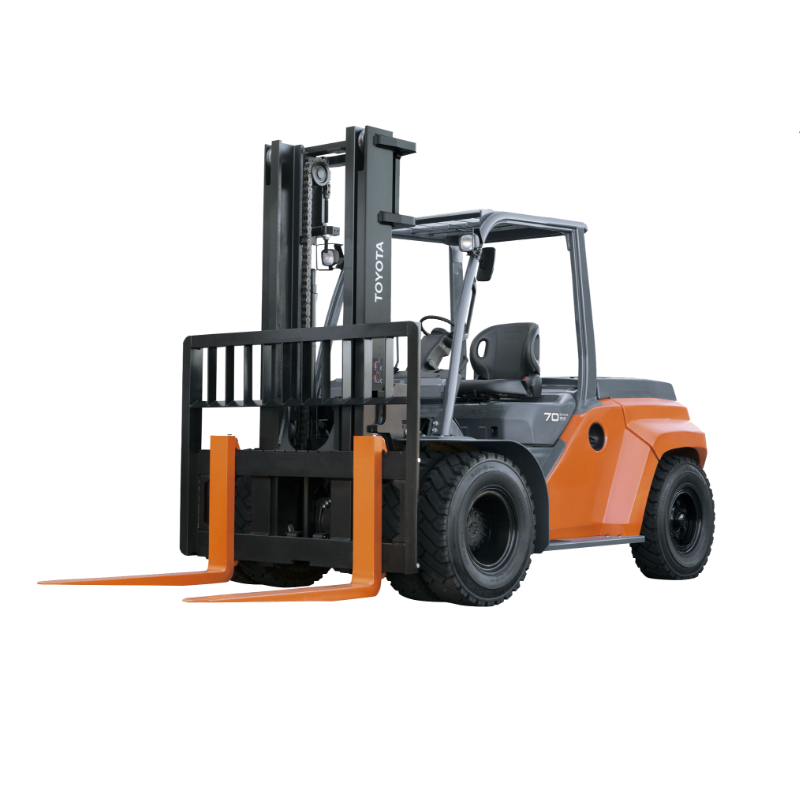
A used Toyota forklift is a previously owned material handling vehicle manufactured by Toyota that has been resold after initial use. These forklifts may come from short-term rentals, lease returns, or former owners who upgraded their fleets. Depending on the source and condition, they can range from lightly used models to high-hour machines that have been fully reconditioned.
1. Common Types of Used Toyota Forklifts
Used Toyota forklifts come in a wide variety of models to suit different applications. The most common types include:
• Internal Combustion Forklifts (Diesel & LPG): Ideal for outdoor and heavy-duty use.
• Toyota Electric Forklifts: Great for indoor environments where emissions and noise must be minimal.
• Toyota Reach Trucks: Designed for narrow aisle and high-rack warehouse operations.
• Electric Counterbalance Forklifts: A versatile choice for general-purpose lifting, often seen in retail and light industrial settings.
Each type offers unique advantages depending on your facility layout, lifting requirements, and usage frequency.
2. Reconditioning and Quality Standards
High-quality used forklifts—especially those from a certified Toyota forklift dealer—undergo comprehensive inspection and refurbishment processes. These may include:
• Replacing worn tires, forks, and seats
• Repairing or overhauling the engine, transmission, and hydraulic systems
• Testing battery capacity (for electric models)
• Repainting and safety upgrades to meet OSHA or local standards
When properly reconditioned, a used forklift can perform almost as well as a new one, often with warranties or service guarantees included.
2. Who Should Consider Buying Used
Buying a used Toyota forklift is ideal for:
• Small to mid-sized businesses that need reliable equipment at a lower cost
• Companies with light to moderate daily usage
• Operations looking to supplement their existing fleet without committing to the cost of a new unit
• Organizations that need backup units or seasonal equipment
Used Toyota forklifts strike a balance between affordability and performance, giving businesses access to world-class machinery backed by Toyota's engineering legacy—without the premium new-equipment price tag.
Used Toyota Forklift vs. New Toyota Forklift
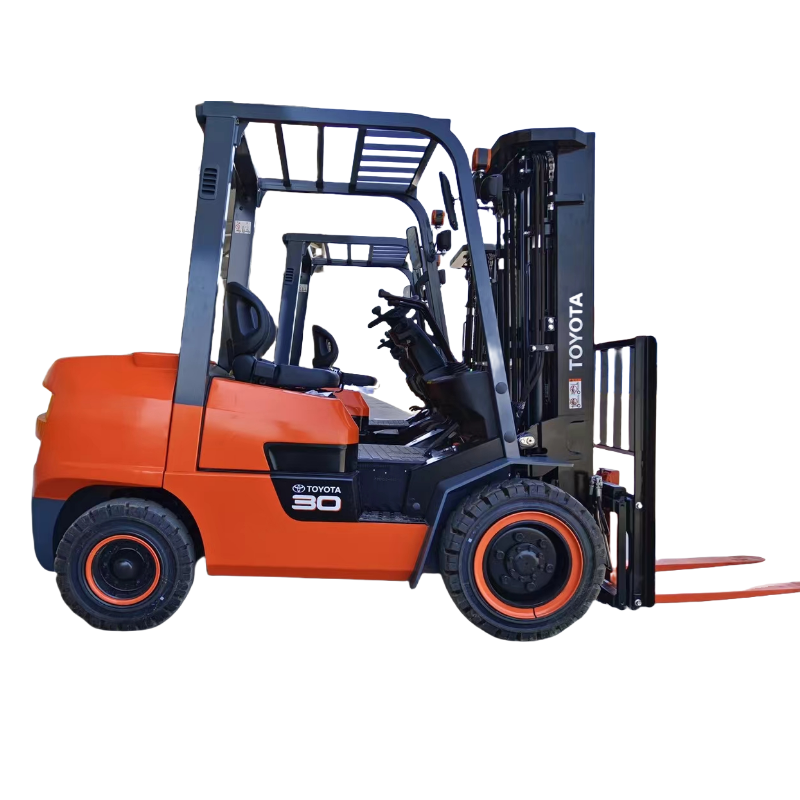
Choosing between a used Toyota forklift and a new Toyota forklift often comes down to budget, usage requirements, and operational priorities. Both options offer access to Toyota's renowned reliability and engineering, but there are notable differences in cost, condition, and value over time.
1. Cost Comparison: Used Toyota Forklift Price vs. New Toyota Forklift Price
Used Toyota Forklift Price
• Typically 40–60% less than the price of a new unit.
• Entry-level models start around $8,000–$12,000, depending on hours used, age, and reconditioning.
• High-capacity or specialty units (like reach trucks or diesel models) may range $15,000–$25,000+.
• Often includes partial warranty when purchased from a certified Toyota forklift dealer.
New Toyota Forklift Price
• Base models start at around $25,000–$35,000.
• Advanced electric forklifts or diesel-powered models may exceed $40,000–$50,000.
• Comes with full factory warranty, zero wear, and the latest safety features.
Bottom Line: If your budget is tight or your usage is light-to-medium, a used Toyota forklift offers better short-term savings and faster ROI. For high-intensity or mission-critical use, the long-term value of a new forklift may justify the higher cost.
2. Performance and Reliability
Used Toyota Forklift:
• With proper maintenance, used Toyota forklifts can deliver years of dependable service.
• Reconditioned models often meet the same performance standards as newer equipment.
• Battery condition (for electric models) and engine wear are key considerations.
New Toyota Forklift:
• Offers the latest technology, improved ergonomics, and increased energy efficiency.
• Zero prior usage ensures no hidden mechanical issues.
• Suited for businesses that require maximum uptime, warranty coverage, and operational precision.
3. Application Suitability
| Business Type | Best Option | Why |
|---|---|---|
| Startups & Small Warehouses | Used Toyota Forklift | Lower cost, sufficient for moderate use |
| High-Volume Warehousing | New Toyota Forklift | Performance consistency, uptime, and battery longevity |
| Seasonal/Backup Equipment | Used Toyota Forklift | Cost-effective for non-continuous operations |
| Long-Term ROI Focus | New Toyota Forklift | Full lifespan, maximum support, best warranty |
In summary, both new and used Toyota forklifts offer strong value. The used Toyota forklift price makes it ideal for budget-conscious buyers, while new Toyota forklifts deliver unmatched peace of mind and peak performance. The right choice depends on your operation’s scale, workload, and cash flow.